
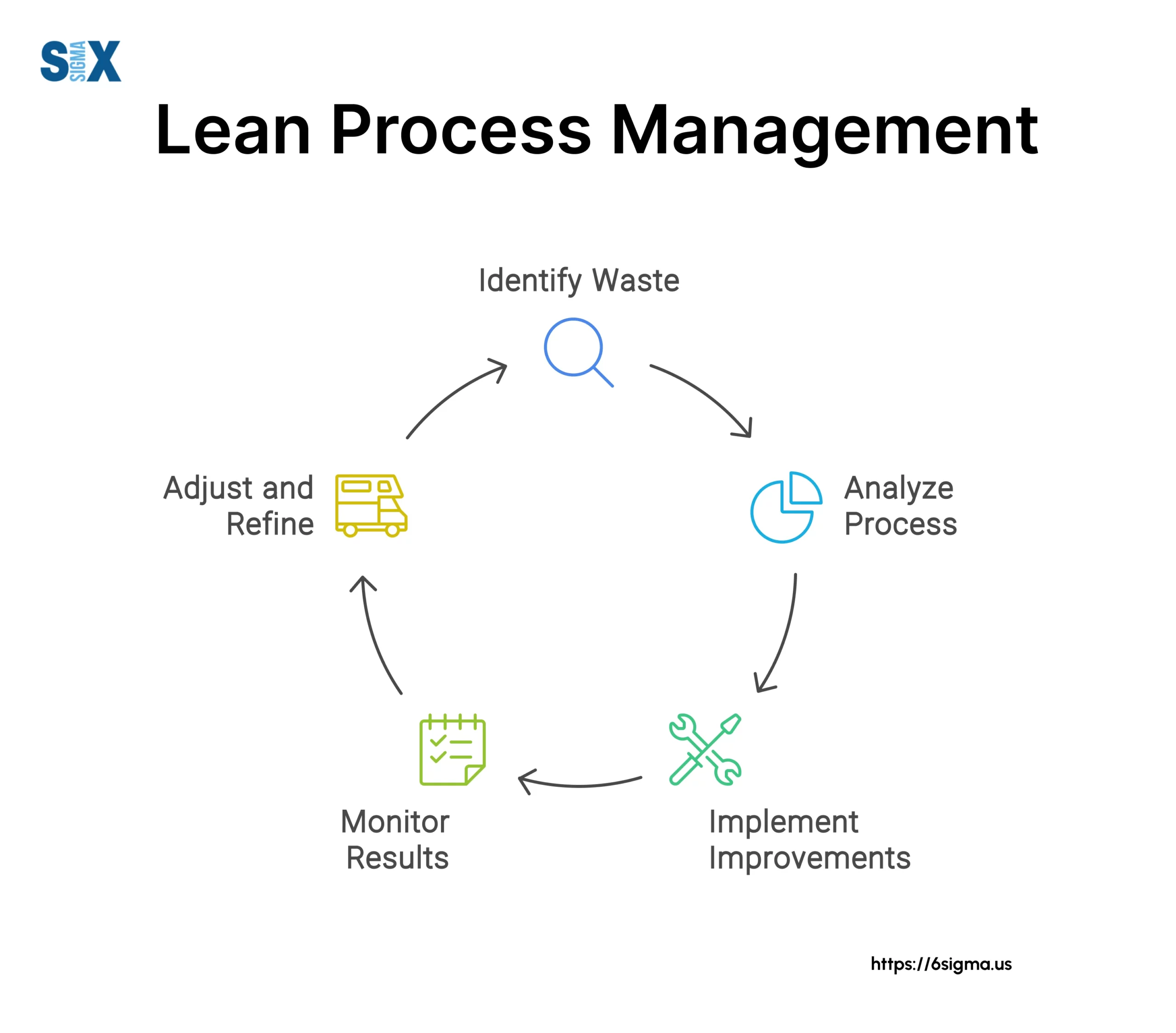
Optimizing service delivery by eliminating waste and maximizing value is not just a theory; it’s a practice I’ve applied for years across various sectors, from healthcare administration to IT support firms. The core idea of Lean methodology for service-based businesses is surprisingly simple yet incredibly powerful: identify what truly adds value for the customer and remove everything else. This approach has consistently helped organizations in the US and globally to streamline operations, improve customer satisfaction, and boost profitability. It’s about creating flow, reducing lead times, and building a culture of continuous improvement, tailored specifically for intangible outputs and people-centric processes.
Overview
- Lean methodology focuses on maximizing customer value and minimizing waste in service operations.
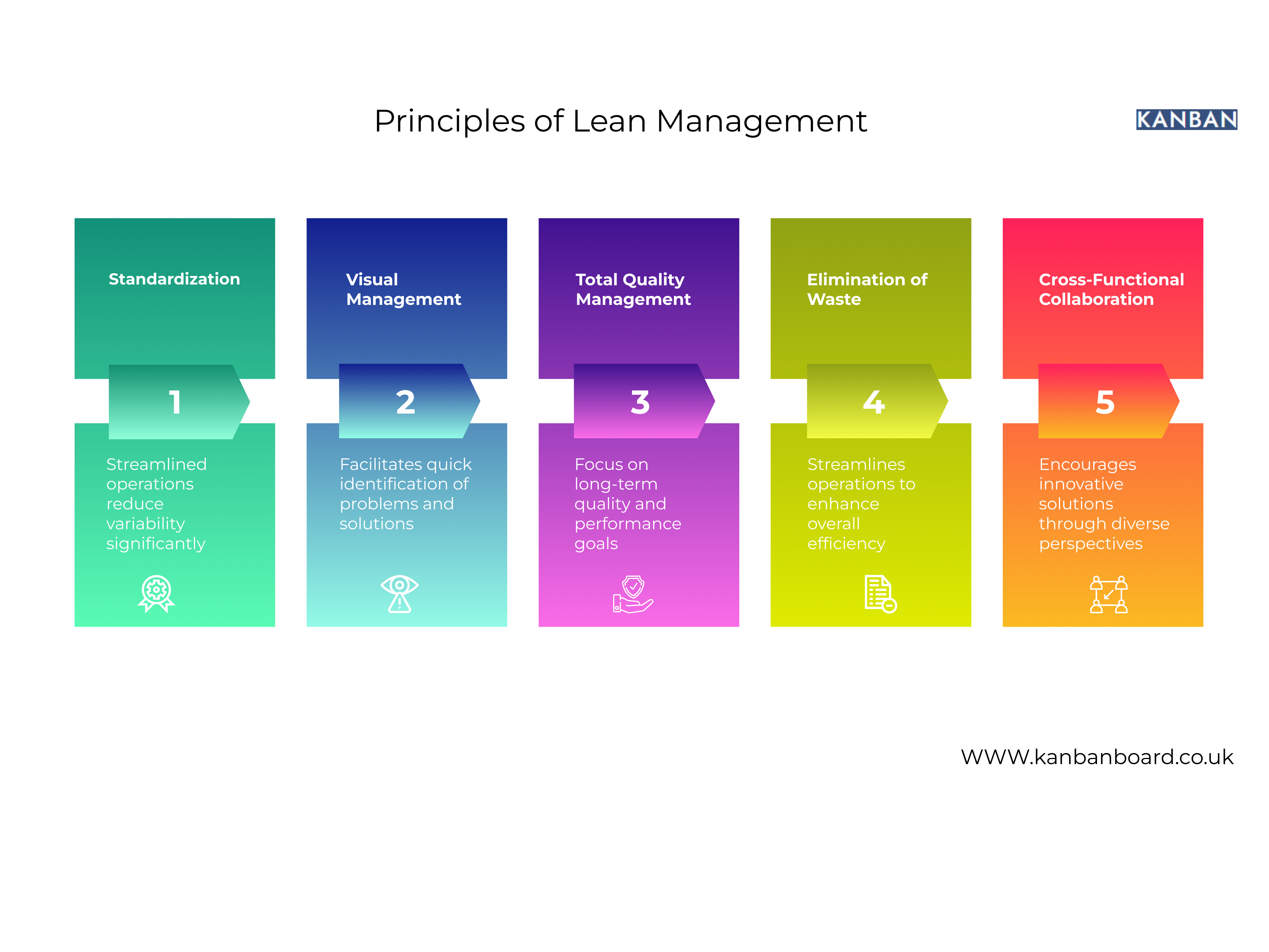
- Key principles include identifying value, mapping the value stream, creating flow, establishing pull, and pursuing perfection.
- Implementing Lean involves practical tools like value stream mapping, 5S, Kanban, and root cause analysis adapted for services.
- Challenges often relate to the intangible nature of services and the human element, requiring strong leadership and cultural shifts.
- Success is measured by reduced lead times, improved service quality, higher customer satisfaction, and lower operational costs.
- The approach requires a mindset shift towards continuous improvement and empowering front-line staff.
- Real-world application shows how small, incremental changes yield significant, lasting benefits.
Understanding Lean methodology for service-based businesses: Core Principles
In my experience, the foundation of applying Lean successfully to services begins with a deep understanding of its core principles, reinterpreted for an intangible product. We start by asking: “What does the customer truly value?” For a software company, it might be bug-free code and quick feature deployment. For a consulting firm, it’s actionable advice and measurable results. Anything that doesn’t contribute directly to this value, or isn’t essential for compliance, is potential waste.
The five key principles are adapted for the service environment:
- Define Value: Clearly articulate what the client genuinely needs and is willing to pay for. This often involves detailed customer journey mapping.
- Map the Value Stream: Visually trace every step a service request takes from initial contact to final delivery. This highlights delays and non-value-adding activities.
- Create Flow: Ensure service steps flow smoothly without interruptions. This means reducing queues, handoffs, and wait times in processes like patient intake or loan applications.
- Establish Pull: Services should be “pulled” by customer demand, not pushed speculatively. This minimizes idle resources and ensures resources are only expended when needed.
- Pursue Perfection: Foster a culture where everyone continually seeks ways to improve processes, eliminate problems, and deliver even better value. This isn’t a one-time project; it’s an ongoing journey.
Implementing Lean methodology for service-based businesses in Operations
Applying Lean in a service setting requires practical tools and a methodical approach. I’ve found that starting with a pilot project can build momentum and demonstrate early wins. Value Stream Mapping is typically our first step. We gather a cross-functional team, often including front-line staff who live the process daily, to map out the current state. This visualization inevitably reveals startling amounts of waiting time, rework, and unnecessary steps.
From there, we introduce specific Lean tools:
- 5S Methodology: While originating in manufacturing, 5S (Sort, Set in Order, Shine, Standardize, Sustain) helps organize physical and digital workspaces, reducing search time and errors. Think of a tidy reception area or a well-structured shared drive.
- Kanban Systems: Used to visualize workflow, limit work in progress, and maximize efficiency. This is highly effective for IT help desks or marketing content creation teams, ensuring work moves smoothly through stages.
- Standard Work: Documenting the best known way to perform a task helps reduce variability and errors. This is crucial for consistency in customer interactions, like call center scripts or onboarding procedures.
- Root Cause Analysis: When problems arise, techniques like “5 Whys” help us delve past symptoms to address the underlying causes, preventing recurrence. This might be used to understand why a client invoice consistently faces delays.
The Role of Continuous Improvement in Service Value
Continuous improvement, or Kaizen, is not just a principle; it’s the engine that drives sustainable success in service organizations. It represents a fundamental shift in mindset, moving away from a “fix it when it breaks” approach to proactively seeking out and eliminating inefficiencies. This requires empowering every team member, from the CEO to the newest hire, to identify problems and suggest solutions. My experience shows that the most impactful changes often come from those closest to the work, who understand the nuances and pain points firsthand.
Regular team meetings focused on process review, known as Gemba walks in a Lean context, allow us to observe work where it happens and identify opportunities for improvement. These sessions aren’t about blame; they’re about collaborative problem-solving. We use small, iterative changes, testing ideas quickly and adapting based on results. This iterative cycle of Plan-Do-Check-Act (PDCA) ensures that improvements are truly effective and become embedded in daily operations. It builds a culture of ownership and encourages a constant pursuit of excellence, continually refining how value is delivered to the customer.
Measuring Impact and Sustaining Lean methodology for service-based businesses
Measuring the impact of Lean efforts is critical to demonstrating value and ensuring long-term adoption. Without clear metrics, enthusiasm can wane, and old habits may creep back. When implementing Lean methodology for service-based businesses, we establish key performance indicators (KPIs) upfront that directly relate to customer value and operational efficiency. These might include service lead time (how long it takes from request to delivery), error rates, customer satisfaction scores (CSAT, NPS), employee morale, or cost per transaction.
Data visualization, like dashboards, helps everyone see the progress and areas needing further attention. Sustaining Lean is less about implementing tools and more about embedding a Lean mindset into the organizational culture. This requires consistent leadership support, ongoing training, and celebrating small victories. When staff see their efforts directly lead to tangible improvements for customers and themselves, they become champions of the process. It’s about making continuous improvement a part of everyone’s job, not just an initiative, ensuring that the benefits of Lean continue long after the initial implementation phase.
