
Practical guide to implementing an expert Service level agreement (SLA) management framework. Ensure service quality and accountability.

Implementing an expert Service level agreement (SLA) management framework is crucial for any organization aiming for consistent service delivery. From my experience across various sectors, including large enterprises in the US, establishing clear expectations and robust monitoring mechanisms separates high-performing service providers from the rest. It’s not merely about signing a document; it involves a continuous lifecycle of definition, negotiation, monitoring, and reporting. A well-designed framework ensures alignment between business needs and IT capabilities or vendor commitments.
Overview
- A Service level agreement (SLA) management framework defines how service quality is governed.
- It requires clear definition of service expectations and performance metrics.
- Effective implementation involves stakeholder engagement and agreement on terms.
- Continuous monitoring and reporting are essential for compliance and performance validation.
- Regular review and adjustment are critical for framework maturity.
- It fosters accountability, transparency, and drives service improvement initiatives.
- The framework applies to internal IT services and external vendor relationships.
Establishing a Robust Foundation for Service level agreement (SLA) management framework
Building a solid Service level agreement (SLA) management framework begins with foundational work. This means clearly defining the services offered. Each service needs specific, measurable metrics. These metrics should align with business outcomes, not just technical uptime. For example, instead of merely measuring server availability, focus on the availability of a critical business application running on that server. Performance indicators must be quantifiable and verifiable. Without this clarity, disputes become inevitable.
Stakeholder engagement is also paramount. Involving both service providers and consumers early in the process fosters buy-in. It helps establish realistic targets and ensures all parties understand their roles and responsibilities. This collaborative approach builds trust, which is a key ingredient for long-term success. We often see issues arise when one party feels left out of the initial negotiation. Documenting roles, responsibilities, and communication protocols within the framework prevents ambiguity later.
Operationalizing Your Service level agreement (SLA) management framework for Performance
Once the foundational elements are in place, operationalizing the Service level agreement (SLA) management framework becomes the next step. This involves setting up the processes and tools to manage SLAs daily. Automated monitoring systems are invaluable here. They collect performance data in real-time, providing an objective view of service delivery against agreed targets. Manual data collection is often prone to errors and can be time-consuming, diverting resources from more strategic tasks.
Regular reporting is also critical. These reports should be concise and actionable, highlighting successes and areas needing improvement. Transparency in reporting helps maintain accountability. It allows for proactive problem-solving before minor issues escalate into major service disruptions. Additionally, establishing a clear process for handling exceptions and breaches is vital. This includes defining escalation paths and remediation actions. A well-defined breach process ensures consistent responses and minimizes conflict when targets are missed.
Key Challenges in Adopting an Effective Service level agreement (SLA) management framework
Even with the best intentions, organizations face several challenges when adopting a Service level agreement (SLA) management framework. One common hurdle is defining truly meaningful metrics. Often, organizations default to easily measurable technical metrics rather than those reflecting actual business impact. For instance, measuring network latency is fine, but if that latency doesn’t impact user productivity, it might not be the most critical SLA. The challenge lies in translating technical performance into business value.
Another significant issue is securing ongoing commitment from all parties. Initial enthusiasm can wane, especially if monitoring seems overly burdensome or if reporting doesn’t yield immediate improvements. Regular communication and demonstrating the value of the framework are essential to sustain commitment. Furthermore, integrating the SLA framework with existing operational processes and tools can be complex. Ensuring data consistency across different systems requires careful planning and potentially significant IT investment.
Continuous Improvement in Service Delivery Metrics
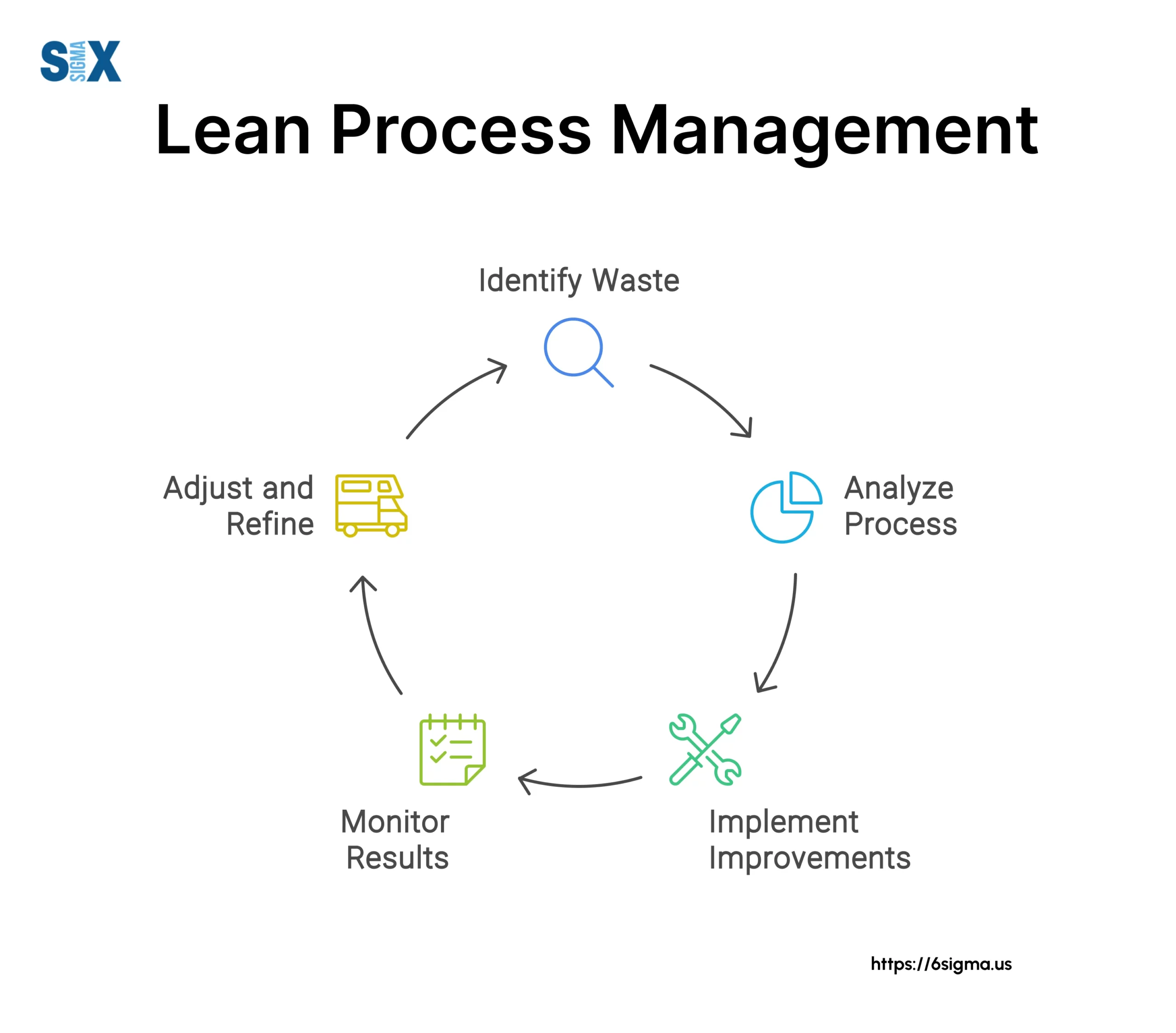
A well-implemented SLA framework is not static; it evolves. Service requirements change, technology advances, and business priorities shift. Therefore, continuous improvement in service delivery metrics is vital. This involves regularly reviewing the effectiveness of existing SLAs. Are the current metrics still relevant? Do they accurately reflect current business needs? Are the targets still achievable yet challenging? Periodically, often annually or biannually, renegotiating parts of the SLA or the entire agreement is necessary.
This review process should be data-driven. Analyze historical performance data to identify trends, persistent issues, or areas of over-delivery. Stakeholder feedback, both formal and informal, also provides valuable insights. User satisfaction surveys, for example, can reveal perceptions of service quality that raw performance data might miss. By embracing a cycle of review, adjustment, and re-evaluation, organizations ensure their SLA framework remains a dynamic tool that consistently supports business objectives and drives operational excellence.